Improve Your Business Spaces: The Impact of Premium Commercial Glazing
April 14, 2026

Walk into any modern office or retail store today, and one thing tends to stand out immediately: the glass. Not just any glass, but carefully designed, well-placed glazing that somehow makes the space feel bigger, cleaner, and more intentional. It is interesting how something simple can shift the entire mood of a workplace.
Key Takeaways on Premium Commercial Glazing
- Beyond Just Windows: Understand that modern commercial glazing is a strategic tool that influences branding, employee comfort, and productivity, not just a way to let in light.
- Visual Appeal and Design: Recognise that premium glazing creates a clean, professional first impression. The key is thoughtful placement and using varied finishes like frosted or tinted glass to avoid a cold, impersonal feel.
- Benefits of Natural Light: Appreciate that natural light boosts employee mood and reduces reliance on artificial lighting. Advanced glazing options can control glare and heat, making the space comfortable year-round.
- Energy Efficiency Savings: Consider the long-term financial benefits. High-quality glazing helps regulate indoor temperatures, leading to noticeable savings on your energy bills over time.
- Improved Workplace Functionality: See how glass partitions can create open, collaborative environments while still defining separate work areas, making even small spaces feel larger and more functional.
- Safety and Durability: Trust that modern commercial glazing, such as tempered and laminated glass, is engineered to be strong and safe for high-traffic areas, minimising risk in case of breakage.
- Subtle Branding Opportunities: Use glass surfaces as a canvas for subtle branding. Customised logos or patterns can reinforce your company identity in a sophisticated way.
Register Your LLC
Company Registration
START NOW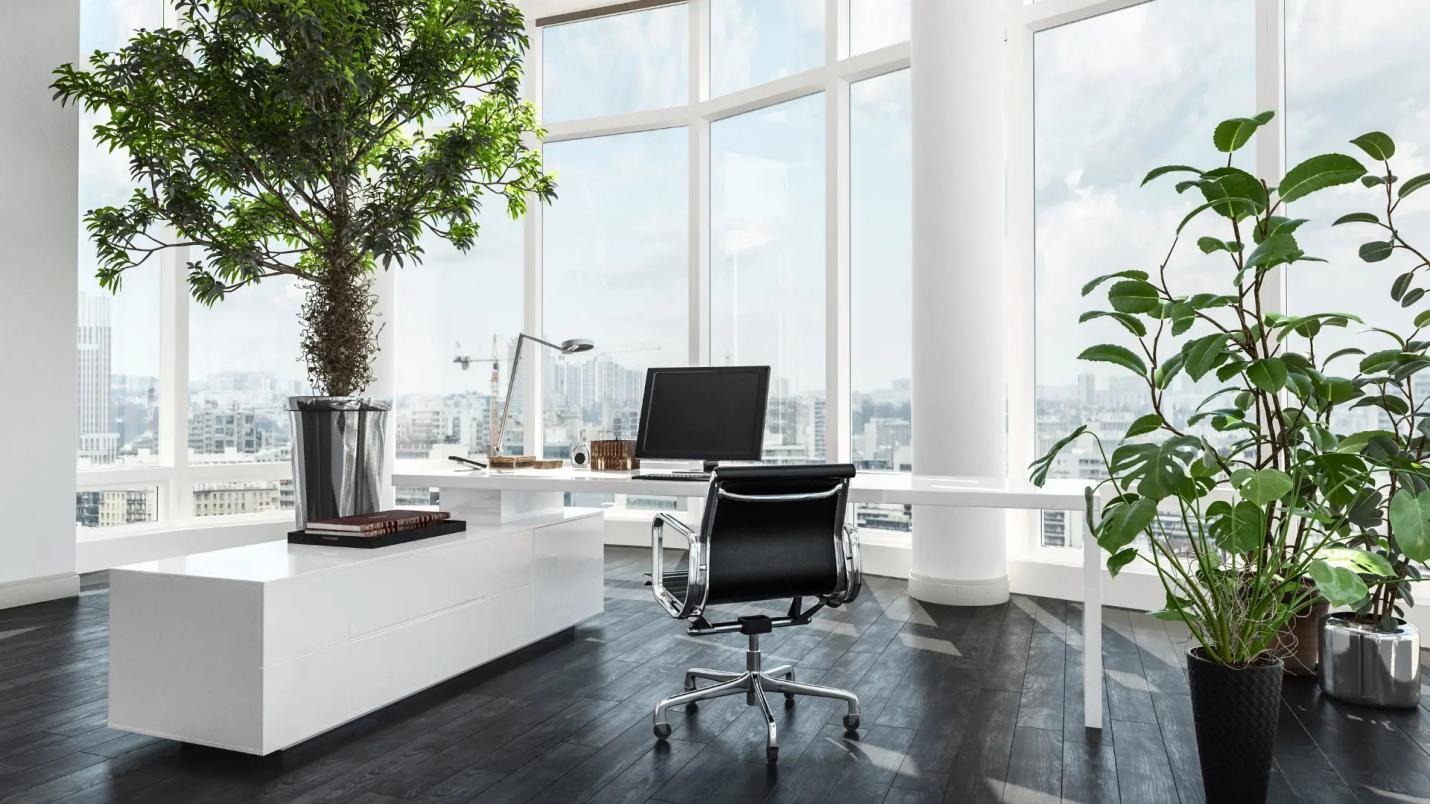
Businesses are noticing this more than ever. Even small offices reconsider their layouts once they realise how much difference quality glazing can make. Working with experienced professionals like commercial glaziers in Brisbane has become less of a luxury and more of a practical upgrade.
This article mentions how premium commercial glazing enhances aesthetics, functionality, energy efficiency, and overall business performance.
Why Commercial Glazing Is No Longer Only About Windows
There was a time when glazing was mostly functional. You needed windows, maybe a glass door, and that was about it. But things have shifted.
Glazing plays a role in branding, employee comfort, and even productivity. It is not only about letting light in, but also about how that light interacts with the space.
For example, a well-glazed office can feel open without sacrificing privacy. That balance is tricky, but when done right, it changes how people work and move through the space.
Enhancing Visual Appeal Without Overcomplicating Design
First impressions are hard to undo. A client walking into your office forms an opinion instantly, whether you like it or not.
Premium glazing helps create that clean, professional look that many businesses aim for but do not always achieve. It reflects light better, reduces visual clutter, and makes interiors feel more polished.
More glass does not always mean better design. Sometimes, too much transparency can feel cold or impersonal. The key lies in thoughtful placement. Frosted panels, tinted sections, or even textured finishes can add character without overwhelming the space.
Professionals, including commercial glaziers in Brisbane, suggest combinations rather than extremes. And that approach tends to work better in real-world settings.
Natural Light and Its Unexpected Benefits
People talk about natural light, and at times it sounds exaggerated. But once you spend a full day in a well-lit office, the difference becomes clear.
Natural light reduces the need for artificial lighting, but it also affects mood. Employees feel less confined. There is a sense of openness that artificial lighting cannot replicate.
Too much sunlight can also cause glare or heat issues. This is where premium glazing solutions like double glazing or low-emissivity coatings do their job in the background.
Energy Efficiency: A Practical Advantage
High-quality glazing helps regulate indoor temperatures. It keeps heat out during summer and retains warmth in cooler months. Over time, this can lead to noticeable savings on energy bills.
Some business owners hesitate at the upfront cost. That is understandable. But when you look at the long-term benefits, the investment starts to make sense.
Improving Workplace Functionality
Glass partitions, for instance, allow teams to collaborate while maintaining defined areas. Meeting rooms can feel private without being completely cut off. Even small spaces can feel less restrictive when solid walls are replaced with glass alternatives.
There is also a psychological aspect to this. Transparent or semi-transparent spaces encourage openness in communication. Though some people prefer a bit of separation. It really depends on the work culture.
That is why flexibility in design matters. Adjustable or modular glazing solutions are becoming more popular for this reason.
Safety and Durability Considerations
It is easy to assume that glass is fragile. In reality, modern commercial glazing is designed to be strong.
Tempered and laminated glass options provide durability and safety. In case of breakage, they are engineered to minimise risk. This makes them suitable for high-traffic commercial environments.
Choosing lower-quality materials might save money, but can lead to issues later, like cracks, poor insulation, or even safety concerns.
Reliable providers, including commercial glaziers in Brisbane, guide businesses toward solutions that balance cost with long-term performance.
Subtle Branding Through Design
Glass surfaces can be customised with logos, patterns, or subtle design elements. It does not have to be loud or overly creative. Even minimal branding can reinforce identity in a quiet, consistent way.
For retail spaces, storefront glazing plays a significant role in attracting customers. A well-designed glass front can invite people in without saying a word.
Though, to be fair, design trends change quickly. What feels modern today might feel dated in a few years. That is why keeping things simple works best.
Conclusion
Premium commercial glazing is more strategic than an architectural choice. It influences how a space looks, feels, and functions on a daily basis.
From improving natural light and energy efficiency to enhancing workplace dynamics, the benefits are wide-ranging, even if some of them are not obvious.
Thoughtful planning and the right professional input make all the difference. Businesses that collaborate with experienced providers like commercial glaziers in Brisbane find solutions that feel tailored rather than forced.
FAQs for Improve Your Business Spaces: The Impact of Premium Commercial Glazing
Is premium commercial glazing a worthwhile investment for a small business?
Yes, absolutely. While there is an upfront cost, high-quality glazing pays for itself over time through significant energy savings. It also enhances your professional image and can improve employee morale and productivity, which are valuable benefits for any business. Some providers, like Storific, can help you understand the long-term value.
Will a lot of glass make my office less private?
Not at all. Modern glazing offers many solutions for privacy. You can use frosted, tinted, or textured glass panels to create separation and maintain confidentiality in meeting rooms or private offices without sacrificing the open, airy feel that natural light provides.
Is glass a safe material for a busy office or retail space?
Modern commercial glazing is designed with safety as a top priority. Materials like tempered and laminated glass are incredibly durable and are engineered to break in a way that minimises the risk of injury, making them perfectly suitable for high-traffic commercial environments.
How does commercial glazing actually improve energy efficiency?
Premium glazing acts as an insulator. Options like double glazing or glass with low-emissivity coatings help maintain a stable indoor temperature. They keep heat out during the summer and retain warmth during the winter, reducing the workload on your heating and air conditioning systems.