How Thoughtful Lighting Transforms The Retail Customer Experience
December 4, 2025
Lighting is one of the quietest yet most influential elements in a retail environment. While customers may not consciously analyze it, lighting shapes how they move through a store, how products appear, and how they feel during their visit. Understanding lighting as a strategic tool rather than a functional necessity helps retailers create more engaging and memorable experiences.
Key Takeaways on Retail Lighting
- Ambient Lighting Sets the Mood: This is the foundational layer of light that creates the overall atmosphere of your store. Getting it right makes customers feel comfortable and welcome from the moment they step inside.
- Accent Lighting Guides Focus: Use spotlights and directional fixtures to draw attention to key products, new arrivals, or special promotions. This technique helps guide the customer journey and highlights your most important items.
- Task Lighting Supports Decisions: Bright, clear lighting is essential in areas like fitting rooms and checkout counters. Good task lighting ensures customers can see products clearly, which builds confidence and helps them make purchasing decisions.
- Lighting Design Expresses Your Brand: The style of lighting you choose, from warm and classic to cool and modern, communicates your brand's personality. Consistency across all your locations reinforces this identity.
- Professional Partners Ensure Quality: Working with commercial electrical contractors guarantees that your lighting is installed safely, is energy-efficient, and performs reliably, protecting your investment and enhancing the customer experience.
Register Your LLC
Company Registration
START NOW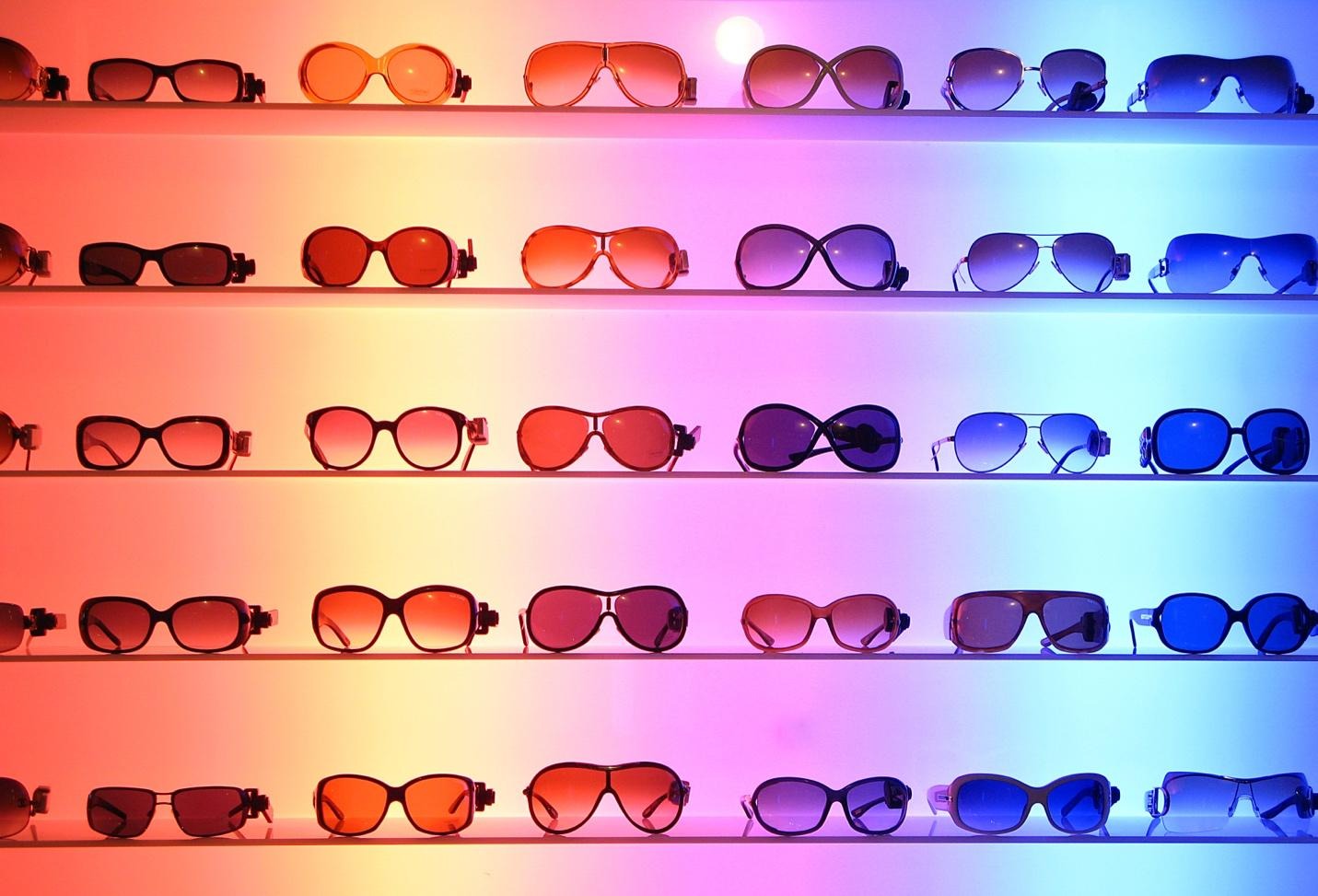
Ambient Lighting
Ambient lighting sets the overall mood of a retail space. Whether it is bright and energetic or soft and inviting, ambient light influences first impressions within seconds. Stores that use well-balanced illumination help customers feel comfortable and oriented as soon as they enter. Poor ambient lighting can create shadows or harsh contrasts that make navigation difficult and reduce the sense of quality within a space.
Color temperature also plays a supporting role in shaping mood. Warm tones convey comfort and relaxation, making them ideal for boutique-style environments or spaces with intimate layouts. Cooler tones can highlight cleanliness and efficiency, which benefits larger stores or technology-focused environments. Evenly distributed ambient lighting helps customers remain engaged longer.
Accent Lighting
Accent lighting draws attention to key products and helps guide customer focus. Spotlights, directional fixtures, or LED strips can emphasize new arrivals, promotional displays, or high-margin items. When used correctly, these lighting techniques tell a visual story that supports merchandising goals without overwhelming the customer.
Effective accent lighting requires balance. Products should appear vibrant and detailed without creating glare or distorting color. This is especially important in fashion, home goods, or specialty retail where color accuracy matters. Accent lighting also helps shape the customer’s journey by subtly encouraging them to explore specific areas.
Task Lighting
Task lighting focuses on areas where both customers and employees require clarity. Fitting rooms, checkout stations, and product demonstration areas benefit from bright, clean light that reduces eye strain and supports decision-making. In fitting rooms, task lighting can significantly impact customer confidence by showing garments accurately and eliminating harsh shadows.
Lighting Design
Lighting choices can communicate the personality of a retail brand as effectively as color schemes or signage. Modern brands may use bright, cool lighting to project a clean and contemporary feel, while heritage-focused brands may choose warmer tones for a classic or nostalgic impression. Consistency across locations reinforces brand recognition and helps customers associate certain lighting qualities with a familiar experience.
Ensuring Reliability and Efficiency Through Professional Partners
High-quality lighting requires careful planning, safe installation, and ongoing maintenance. Many retailers work with commercial electrical contractors to ensure their lighting systems meet safety standards, energy codes, and design goals. Professional partners help integrate advanced lighting technologies, improve energy efficiency, and maintain consistent performance across all fixtures.
Lighting is far more than a functional necessity. It is an essential design element that shapes how customers feel, how they interact with products, and how they remember their experience. When retailers and retail stores use lighting intentionally, they create environments that guide customers naturally, support brand identity, and strengthen business outcomes. To learn more, check out the accompanying infographic below to learn more.

FAQs for How Thoughtful Lighting Transforms The Retail Customer Experience
Why is ambient lighting so important in a shop?
Ambient lighting sets the entire mood the moment a customer walks in. Good ambient lighting makes the space feel comfortable and welcoming, encouraging people to stay longer. Poor lighting can create shadows and make a shop feel unwelcoming.
What is the main purpose of accent lighting?
Accent lighting is used to draw attention to specific items. Think of it as a spotlight for your star products, new arrivals, or promotional displays. It helps guide your customers' focus to what you want them to see.
How does lighting affect a customer's decision in a fitting room?
The right task lighting in a fitting room is crucial. It shows garments in their true colours and eliminates unflattering shadows. This helps customers feel more confident about how they look, which can directly lead to a sale.
Can my shop's lighting reflect my brand's identity?
Absolutely. A modern brand might use bright, cool lighting to feel clean and contemporary, while a heritage brand could use warmer tones for a nostalgic feel. Your lighting is a powerful, non-verbal way to communicate what your brand is all about.
Is professional installation for lighting really necessary?
Yes, it is highly recommended. Professionals ensure your lighting system is not only effective for your design goals but also meets safety standards and energy codes. They help you avoid issues like inconsistent performance or high energy bills down the line.